Children who need steady, relational support.
We work with pupils who benefit from stronger routines, targeted learning help, and trusted adults who stay alongside them across the year.
Scoil Iosagain delivers practical programmes that combine school-day support, after-school creativity, family engagement, and local partnership so progress feels steady, visible, and shared.
Explore Our Pathways
We work with pupils who benefit from stronger routines, targeted learning help, and trusted adults who stay alongside them across the year.
Programmes are delivered in classrooms, shared spaces, and community settings so support can stay flexible without losing continuity.
We look for progress that families and schools can feel in daily life, not only in one-off moments or isolated measures.
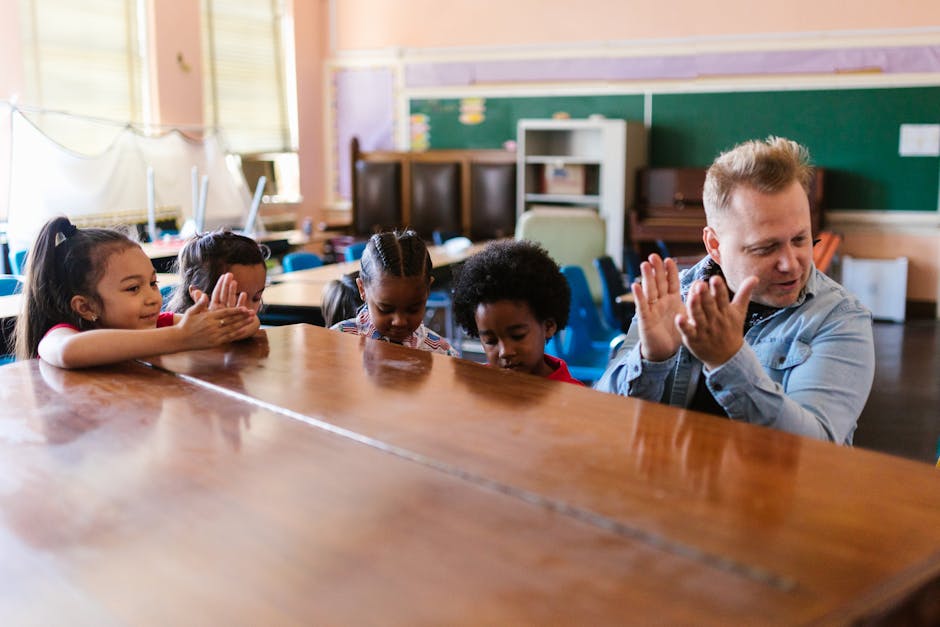
Small-group instruction, story packs, oral language practice, and take-home routines that help children feel successful with reading early and often.
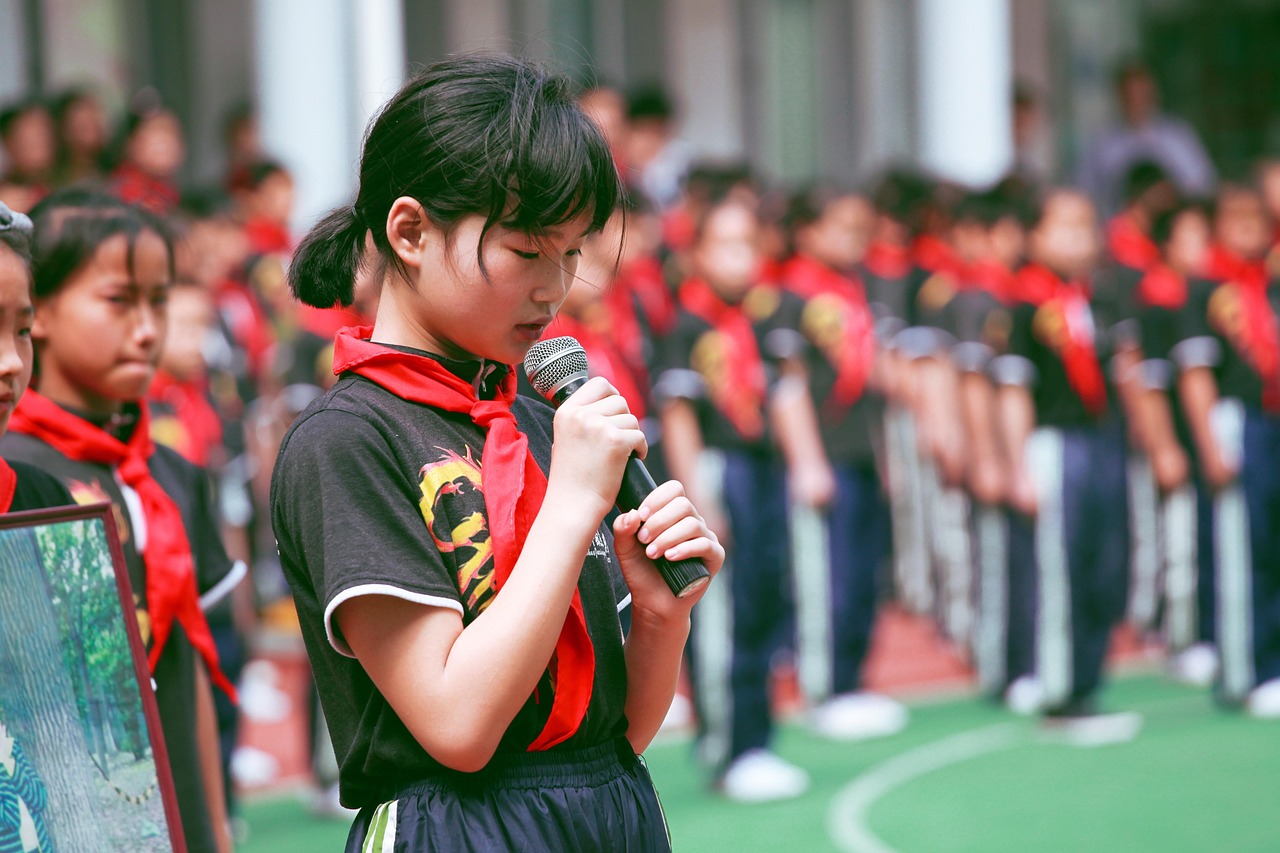
Breakfast provision, mentoring, check-ins, and steady routines reduce pressure points that can interfere with participation during the school day.
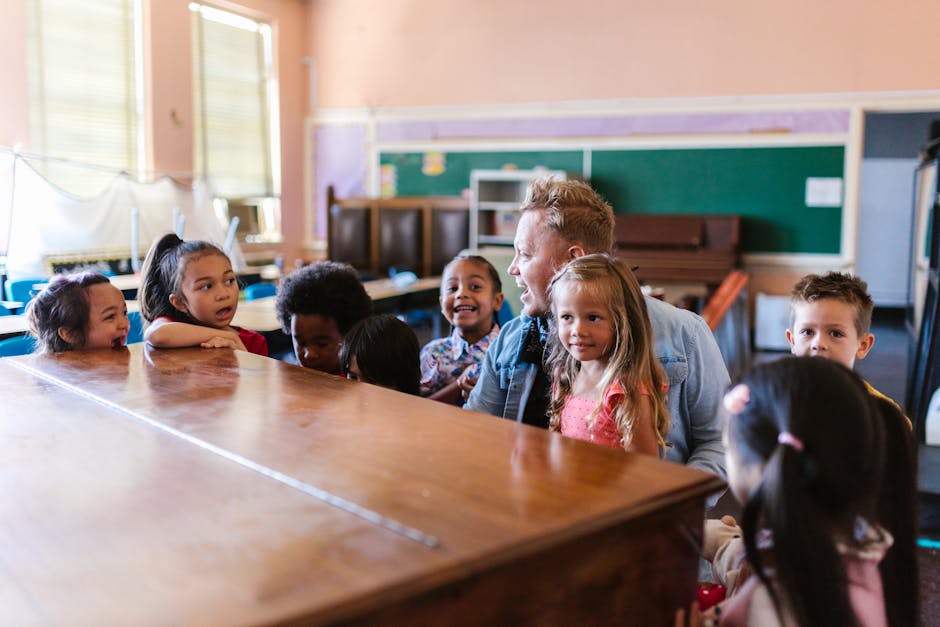
Music, visual arts, and collaborative projects create space for expression while strengthening confidence, communication, and persistence.

Workshops, check-ins, open events, and signposting make school systems easier to navigate and family participation easier to sustain.

Seasonal events, referrals, and shared delivery with community partners keep support visible, accessible, and rooted in Ballybunion.
Children often need more than one kind of support at the same time. A pupil may need literacy practice, a calmer start to the day, a creative outlet, and stronger communication between home and school.
Our programmes are designed to connect those needs rather than treat them separately. That makes support easier to trust and more likely to stick.

The strongest outcomes happen when schools, families, and community partners stay aligned.
A typical term can include reading circles, breakfast provision, creative workshops, parent conversations, celebration events, and targeted check-ins for pupils who need an extra layer of consistency.
This mix allows us to respond to real pressures without losing sight of long-term growth in confidence, attendance, and participation.
Programmes stay responsive by matching the real pace of family and school life.
This pathway combined breakfast support, reading time, and regular family contact.
The turning point was not one intervention. It was the consistency created when several supports began working together.
For one pupil struggling with attendance and classroom confidence, our team linked a calmer morning routine, small-group reading support, and weekly check-ins with home. The aim was simple: remove friction, increase trust, and build momentum.
Over the term, participation became more consistent, transitions into class became easier, and the family reported that school felt more manageable and less overwhelming.
Open evenings, workshops, and practical conversations help families understand what support is available and how to stay involved without added pressure.
When young people can make, perform, and contribute visibly, they often bring that confidence back into reading, discussion, and classroom participation.
We can help you understand current delivery, referral routes, volunteer opportunities, and ways to support the work.
Ask about literacy groups, parent sessions, and practical support around school engagement.
Contact UsDiscuss referrals, shared delivery, and coordinated support for pupils who need continuity.
Start A ConversationFind out where reading support, events, and mentoring capacity are needed most.
Get InvolvedWork with us on funding, community delivery, or local initiatives that widen access to learning.
Partner With Us